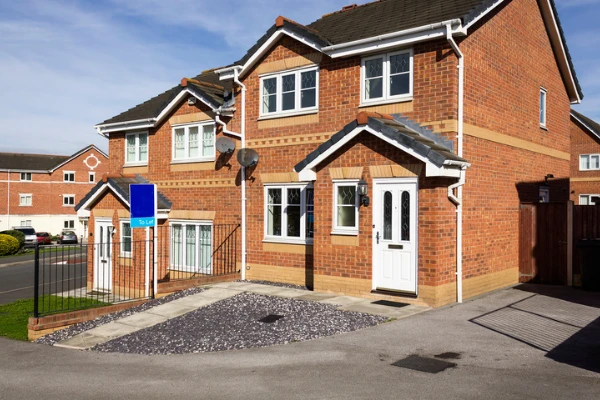
The idea that younger people have gone off owning a home isn’t borne out by the ones who are moving. In LRG’s autumn research, 84% of respondents under 45 said owning their own home was essential, compared with 70% of those aged 65 and over. Across all ages, the figure was 75%.
And it’s a home they’re after, not an investment. Given the choice of what to buy first if they were starting out today, 82% of all respondents picked a home to live in and only 6% a property to rent out. More than half (55%) said they’d put saving a deposit first even if it meant going without, against 24% who’d balance saving with enjoying life now.
Ownership itself has held steady. The House of Lords Library puts homeownership in England at 65% of households, similar to a decade ago, though below the 2003 peak of 71%.
Mark Manning, Managing Director of Northern Estate Agency Group, part of LRG:
“I hear it said a lot that younger people have stopped caring about owning, but that isn’t who comes through our doors. Across Manning Stainton, Ryder & Dutton and Mortimers, we meet people in their twenties, thirties and forties who know exactly what they want and have usually been working towards it for years.”
How long it takes depends on where they’re buying. Nationwide estimates it would take around four years to save a 10% deposit in the North and nine in London, based on putting aside 10% of average net pay. Stamp Duty adds to the gap. First-time buyers pay nothing on homes up to £300,000 and, because prices are lower, Zoopla’s July analysis found that only 2.1% of those in the North East would pay any Stamp Duty on the homes they were looking at in the first half of 2026. In London, 79.7% would.
The North West was the fastest-growing English region in the year to mid-2025, according to the ONS, while London’s population fell by 0.29%. Meanwhile, in Manchester, where the government opened its No. 10 North office in July, Lloyds found first-time buyers accounted for 70.2% of all mortgaged purchases last year.
“Prices have gone up here too, so it still takes commitment,” says Mark. “But a deposit here is still a target people can see the end of, and that changes how they go about it. They plan, they save and they turn up ready to go.”
More detail is expected at the Budget on 28 October on Your First Home, the government scheme that would let first-time buyers in England buy a new-build home with a 2.5% deposit, backed by a 20% equity loan.
Tim Foreman, Managing Director of Land and New Homes at LRG:
“For most first-time buyers, the deposit is the hurdle, not the wish to buy, so help with it is welcome. Help to Buy took a few months to bed in before people understood it, and this may be the same. Anyone ready to buy now shouldn’t feel they have to wait. Look at the detail on the 28th, work out what the loan would cost you and see whether it suits.”
“My advice to anyone under 45 who thinks owning is out of reach is to get the numbers done properly before deciding that,” concludes Mark. “Find out what you can borrow, what the deposit really needs to be and what the whole move will cost. Sometimes it’s closer than people assume.”
To download the full report, click here.