The residential lettings industry still manages many large portfolios as though they're simply collections of individual tenancies. That works on small portfolios, but it doesn't work when landlords own 50, 100 or 200 properties argues Adam Hills.
At that point, the challenge is no longer property management alone. It's portfolio management.
Adam argues that the industry must move towards a more coordinated, transparent and performance-focused model.
Traditional property management performs an essential role. Properties must be marketed, tenants supported, rents collected, repairs coordinated and regulatory requirements met.
But a model primarily organised around individual properties and tenancies does not always give the owner of a larger portfolio the oversight they need.
A portfolio of over 50 properties is not simply the same management task repeated at greater volume. At that scale, the nature of the challenge changes.
The landlord must consider how rents are performing across different locations, where avoidable voids are occurring, whether maintenance costs are proportionate, which properties require investment and whether compliance requirements are being managed consistently.
It is no longer enough to know what is happening at each property. The owner also needs to understand what is happening across the portfolio as a whole.
The landlord should not have to be the portfolio coordinator
One of the clearest signs that a management structure is no longer working effectively is when the landlord becomes the link between everyone involved.
Different agents may manage properties in different locations. Maintenance contractors, accountants and specialist advisers may operate independently. Reports arrive at different times and in different formats. Problems are escalated property by property, often without a single person maintaining an overview.
The landlord can then spend a disproportionate amount of time requesting updates, reconciling information and making sure agreed actions are followed through.
This is particularly frustrating because many owners appoint professional managers precisely to reduce their day-to-day involvement.
A larger portfolio needs one clearly accountable relationship: someone who understands the client’s properties, objectives and priorities, coordinates the teams involved and maintains oversight of the actions required.
That does not mean one person must personally deliver every element of the service. Larger portfolios need access to specialists. But those specialists should operate as part of a coordinated team, rather than leaving the client to manage each relationship separately.
More reports do not necessarily create greater visibility
Larger landlords rarely suffer from a complete absence of information. The problem is more often that the information is fragmented or difficult to turn into meaningful action.
A landlord might receive tenancy updates, individual property statements, maintenance invoices and arrears reports, yet still be unable to answer some important portfolio-level questions.
Where are void periods increasing? Which rents have not recently been reviewed? Are the same maintenance issues recurring? Where is operational expenditure rising? Which properties require investment? What actions are outstanding, and who is responsible for completing them?
Traditional reporting often explains what has already happened. Effective portfolio reporting should also help the client decide what needs to happen next.
This requires information to be brought together in a consistent and useful format. A personalised dashboard and regular performance reviews can help identify patterns, compare assets and establish priorities.
The value does not come from presenting more data. It comes from providing clearer insight and creating accountability for the resulting actions.
Moving from reactive to proactive management
Property management will always involve an element of reaction. Boilers fail, tenants report problems and unexpected work is sometimes unavoidable.
However, larger portfolios cannot be managed effectively through a succession of isolated responses.
A proactive approach considers upcoming tenancy events, rent reviews, planned maintenance, refurbishment requirements and compliance deadlines before they become urgent.
For example, identifying refurbishment requirements in advance of a tenancy ending allows the scope, budget and contractor availability to be considered earlier. This may help work begin sooner and reduce the time before a property can return to the market.
Likewise, reviewing rents and local demand throughout the year provides a stronger basis for future pricing decisions than looking at each property only when a tenancy event occurs.
Not every improvement requires significant expenditure. Better planning, earlier intervention and clearer communication can all contribute to more efficient portfolio operations.
The important shift is from dealing with each issue in isolation to understanding how individual decisions influence the wider portfolio.
Consistency becomes more important at scale
As the number of properties increases, inconsistency creates both operational difficulty and risk.
Different approaches to inspections, inventories, maintenance approvals, rent reviews and record-keeping can make it difficult for the owner to establish whether every property is being managed to the same standard.
This is why larger portfolios benefit from clearly defined processes, agreed service standards and consistent quality controls.
Compliance is an obvious example. The owner needs confidence that requirements are understood, documented and monitored across every property, not simply dealt with when a deadline or problem arises.
The same principle applies to maintenance and contractor management. Consistent approval processes, clear records and portfolio-level oversight make it easier to understand costs and identify recurring issues.
Standardisation should not mean ignoring local differences. Property types, rental markets and tenant demand will vary. The aim is to combine consistent governance with the flexibility to respond to the needs of each asset and location.
Property management should contribute to portfolio performance
The industry must also move beyond the assumption that the managing agent’s role is primarily administrative.
Day-to-day administration matters, but a professional management team should also contribute to the client’s understanding of asset and portfolio performance.
That means being prepared to challenge, advise and recommend action. It may involve identifying a property with repeated maintenance costs, highlighting an emerging void trend, suggesting a refurbishment or questioning whether the current management structure remains appropriate.
The management team will not make investment decisions on the owner’s behalf. It should, however, provide the information, local knowledge and operational insight needed to support those decisions.
This is especially important for owners whose portfolios have been built over many years. Their properties may be geographically dispersed, managed under different arrangements or operating with processes that evolved gradually rather than being deliberately designed.
A portfolio-level review can help reveal where complexity has accumulated and where a more joined-up approach could create greater control.
A different model for larger landlords
Traditional property management is not becoming irrelevant. Its core functions remain fundamental to the successful operation of rental properties.
The issue is that larger portfolios require an additional layer of coordination, oversight and performance management.
A suitable model should provide:
- One accountable client relationship
- Consistent coordination across specialist teams
- Portfolio-level reporting and regular performance reviews
- Proactive management of rents, voids, costs and maintenance
- Structured compliance and quality controls
- Access to local market insight
- Support for longer-term portfolio priorities
Most importantly, the service should be shaped around the client. No two portfolios have the same combination of properties, locations, ownership structures and investment objectives.
A landlord seeking to grow will have different priorities from one focused on consolidation, income improvement or reducing day-to-day involvement.
The management approach must reflect those differences.
For owners of larger residential portfolios, the question should no longer be simply: “Are my properties being managed?”
It should be: “Is my management structure giving me the accountability, visibility and proactive support needed to manage the portfolio effectively?”
That is the standard towards which the property-management industry now needs to move.
About the author
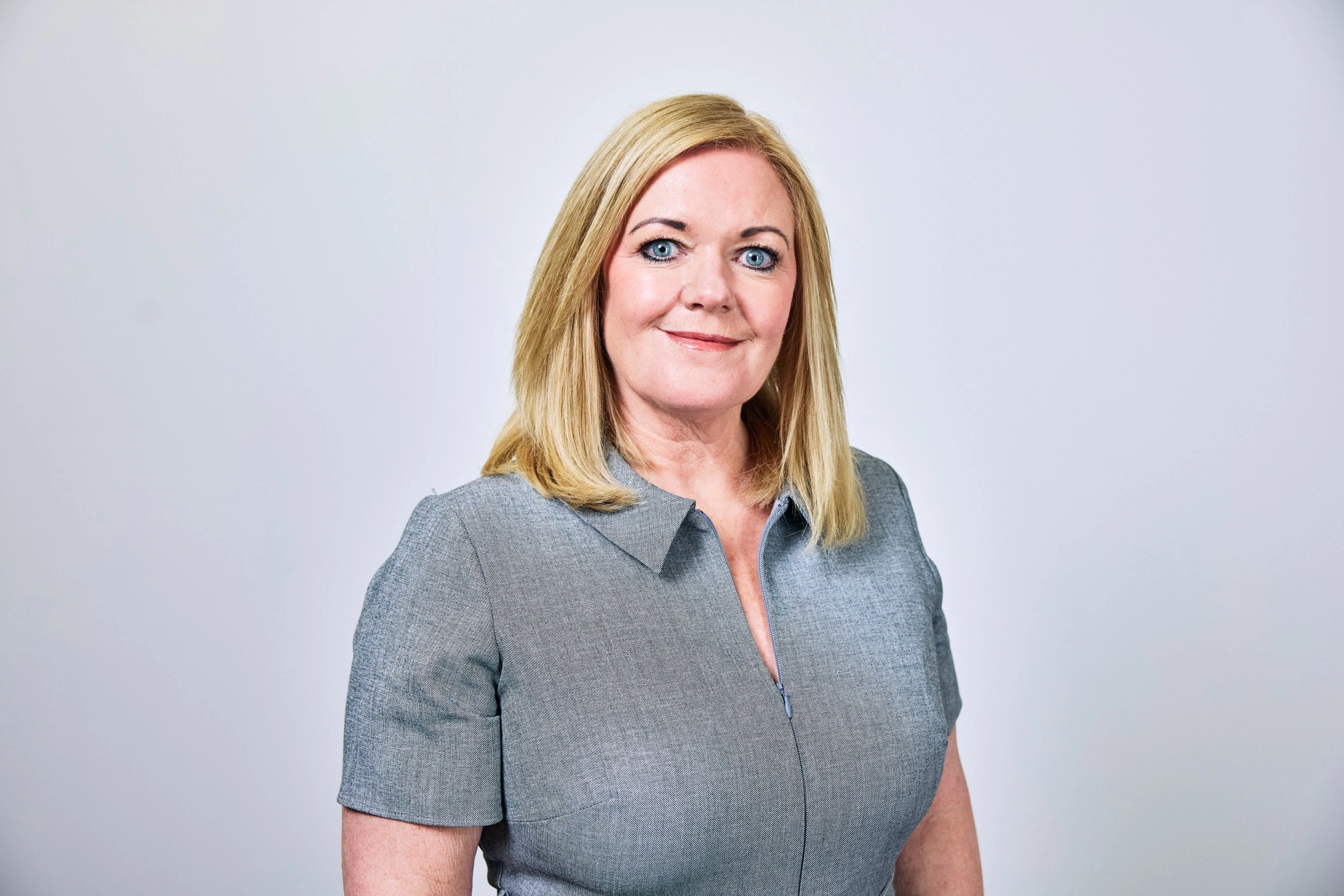
Adam Hills MARLA is Client Services Director at LRG Living Markets. He leads LRG’s Portfolio Management service, which provides bespoke, joined-up support for professional landlords and investors with sizeable residential property portfolios.
To discuss your property portfolio, reach out to Adam directly:
Adam Hills MARLA, Client Services Director
Living Markets
07711 963634
AdHills@lrg.co.uk
investorenquiries@lrg.co.uk